Libraries
National Libraries
Library of Congress
America's Story from America's Library
American Memory
Libraries & Homeschoolers: Working Together
Helping Homeschoolers in the Library
This practical guidebook seeks to bridge the gap between librarians and homeschoolers in these two ways: who are homeschoolers and how can I help them practically? Part 1 addresses the history and background of homeschooling as well as the needs and viewpoints of various homeschooling groups. Part 2 deals specifically with building programs and services for the homeschooling population. By moving past stereotypes and understanding what resources are available, librarians can be important allies to this diverse group of patrons. Children's and YA librarians, library directors, support staff working with youth in public libraries and educators will find the information and tools they need to develop policies, programs, and services to support homeschoolers in their communities.
There's No Place Like… the Library!

Serving Homeschooled Teens and Their Parents (Libraries Unlimited Professional Guides for Young Adult Librarians Series)
This guide for librarians addresses the needs of homeschooled teens and how a library can meet those needs. Includes ideas like developing a homeschool resource and book collection to creating special homeschool programs. While this book was written for library staff, it is also an insightful guide into how homeschoolers and libraries can work together.
Homeschoolers’ Experiences with the Public Library
The purpose of this study was to understand the experiences of homeschoolers using the public library. A phenomenological design using interviews, a survey, and a writing prompt was used to give voice to the public library experiences of seven homeschool participants. From the data, three primary themes surfaced. First, most of the participants felt that the library was a home away from home. Next, many of the participants valued how the public library saved them money, and finally, many of the participants voiced a desire for more library daytime programs, especially daytime programs that catered to older, homeschooled children.
Libraries and Homeschools: The Perfect Partnership
This articles details all the ways that libraries can assist and support homeschoolers, including meeting spaces, collections of local materials, lectures and programs, book discussions, foreign language materials, and so much more.
Homeschoolers and Public Libraries: A Synergistic Relationship
Homeschoolers are commonly heavy users of their local libraries. Statistics show that more than 78 percent of home educators use the public library as their primary resource for curriculum supported materials. So, how do libraries become educational “hubs” for homeschoolers? They develop programs and services to support this burgeoning population by offering programs, digital information, and events that support homeschooling families. The energy and vibrant curiosity that home-educated children have, and the commitment and support their parents contribute, make libraries a better place for all.
Four Reasons Why Libraries are Homeschooling Hotspots
There are four reasons why libraries should be indispensable for homeschooling families. They offer resources and materials for homeschool students, individualized help and tutoring, activities and events for homeschoolers, and opportunities for parents.
Public Libraries Welcome Growing Homeschool Community
Public libraries around the country are finding new ways to serve the growing population of homeschoolers through physical spaces and creative programs catered to homeschooling families’ needs. This article takes a look at what libraries in Illinois, Colorado, and Tennessee are doing to meet the diverse needs of homeschooling families.
Homeschoolers and the Public Library
Public libraries are invaluable tools for DIY educators and home education. Home-based educators utilize various curriculum sources to assist in teaching. The National Center for Educational Statistics published a survey from 2012, in which 70% of homeschooled parents cite the public library as their most valued resource. This article, written for the American Library Association, details how librarians can meet the needs and work in partnership with homeschooling families.
Homeschooling and Libraries

Homeschooling and Libraries: New Solutions and Opportunities
Homeschools are alwsy looking for alternative ways of schooling that do not necessarily reflect what a typical classroom looks like. Since homeschooling is so diverse across families, information institutions, including public, academic, school, and special libraries may find it challenging to meet all their needs and desires. This collection of essays offers approaches and strategies from library professionals and veteran homeschoolers on how to best serve the needs and experiences of homeschooled youth. This book includes information on special needs homeschooling, gifted students, and African American students as well.
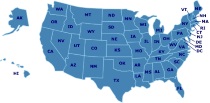
Looking for Another State?
Featured Resources
As an Amazon Associate, we earn from qualifying purchases. We get commissions for purchases made through links on this site.

DMV Test Practice Driving Questions

Basic Montessori: Learning Activities for Under-Fives
The Mystery of History
Homeschooling and Libraries: New Solutions and Opportunities
